
A Common First-Line Approach to Sleep Apnea
Continuous Positive Airway Pressure (CPAP) therapy has been a standard treatment for moderate to severe obstructive sleep apnea. It works by delivering a steady stream of air through a mask to keep your airway open while you sleep.
Find Out Which Treatment is Right For YouIs CPAP Therapy the Right Choice for You?
CPAP therapy can be highly effective, especially for severe sleep apnea, but many patients struggle with long-term use. Understanding both the benefits and challenges can help you make an informed decision about your treatment.
Benefits of CPAP
- Effective for Severe Cases: CPAP is often recommended for severe obstructive sleep apnea, as it can significantly reduce apnea events when used consistently.
- Immediate Results: Many patients report improvement in sleep quality and daytime alertness after just one night of successful use.
- Reduces Health Risks: Consistent CPAP use can help lower the risk of associated health problems like high blood pressure, heart disease, and stroke.
Common Challenges
- Discomfort & Claustrophobia: Many users find the mask uncomfortable or experience feelings of claustrophobia, which can make falling asleep difficult.
- Noise & Bulk: The machine produces noise that can disturb sleep, and its size makes travel challenging. Many users find it cumbersome to maintain and clean.
- Low Compliance Rates: Studies show 30-50% of patients struggle with consistent CPAP use, with many abandoning treatment entirely, a phenomenon known as "CPAP intolerance."
- Side Effects: Common side effects include dry mouth, nasal congestion, skin irritation from the mask, and discomfort from air pressure.
Note: CPAP therapy is only effective when used consistently. If you're experiencing difficulty with your CPAP machine, you're not alone. Many patients find more success with comfortable alternatives like oral appliance therapy, especially for mild to moderate sleep apnea.
How CPAP Therapy Works
Understanding the mechanics of CPAP therapy can help you determine if it's the right approach for your sleep apnea treatment.
The CPAP Machine
A small bedside machine that takes in room air, pressurizes it, and delivers a constant, steady air pressure to keep your airway open while you sleep. The machine must be plugged into an electrical outlet to function.
The Mask & Headgear
A mask that fits over your nose, or both nose and mouth, sealed with cushions and held in place by straps. Finding the right mask fit is critical but can be challenging. Different styles include nasal pillows, nasal masks, and full-face masks.
The Tubing
A flexible tube connects the machine to the mask, delivering the pressurized air. The tubing may include features like heating to prevent condensation (rainout), but it can restrict movement during sleep.
Pressure Settings
The machine is calibrated to deliver a specific air pressure based on your sleep study results. Some advanced machines can adjust pressure throughout the night (Auto-CPAP or BiPAP), but finding the right pressure balance can take time.
Required Maintenance and Care
CPAP therapy requires regular maintenance to ensure effectiveness and hygiene:
- Daily cleaning of the mask and humidifier chamber
- Weekly washing of tubing and headgear
- Regular replacement of filters, mask cushions, and other components
- Distilled water for the humidifier
- Machine inspections and pressure calibration checks
A Modern, Comfortable Alternative
For many people with mild to moderate sleep apnea, Oral Appliance Therapy is a highly effective, comfortable, and convenient alternative. It's a custom-fit device that is silent, portable, and easy to use—perfect for those who struggle with CPAP compliance.
Learn About Oral Appliance Therapy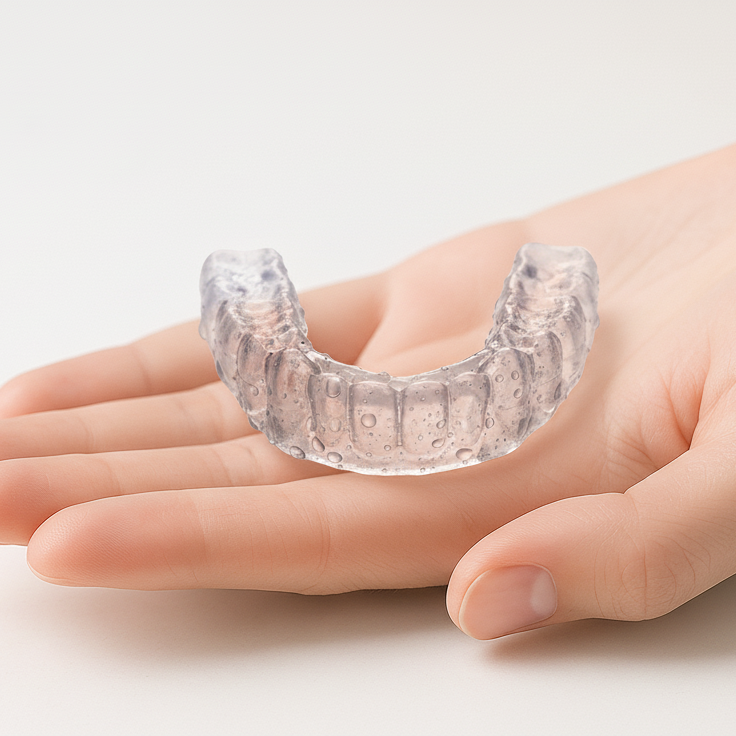
Find the Right Sleep Apnea Treatment for You
Everyone's sleep apnea journey is different. What works for one person might not work for another. Take our free sleep quiz to get a personalized recommendation based on your symptoms, preferences, and lifestyle.